
Is Aviation a good career choice
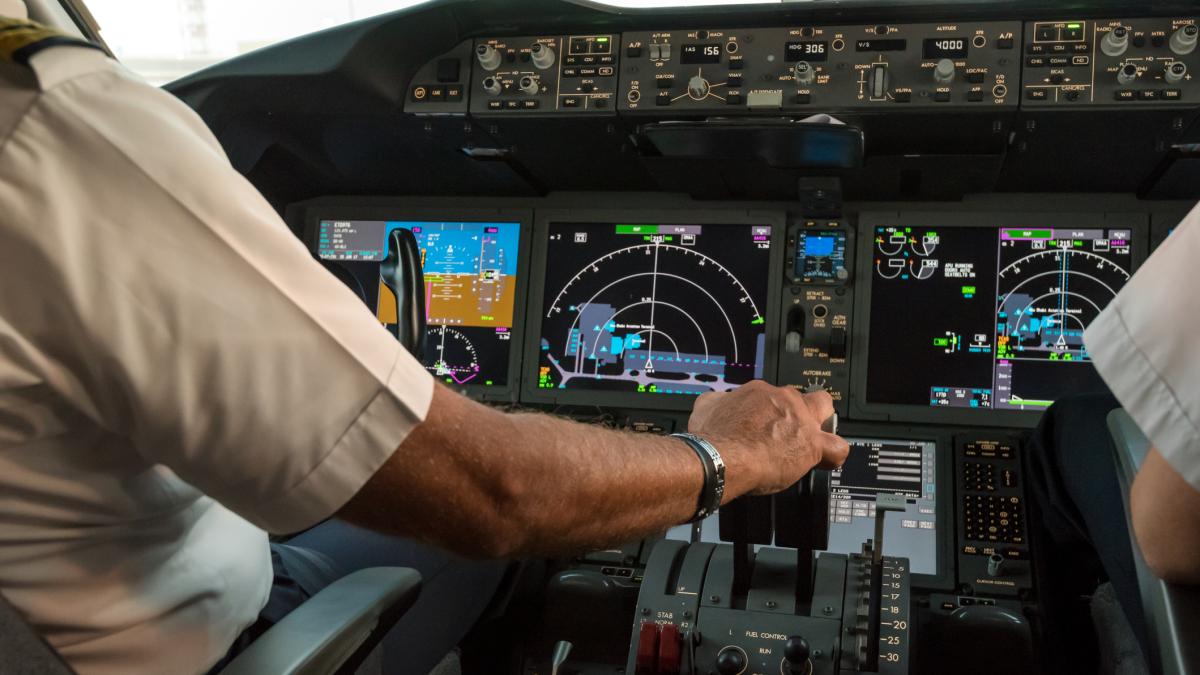
What is Aviation?
Aviation refers to the operation of aircraft, including the design, development, production, and maintenance of aircraft, as well as the navigation and control of aircraft during flight. It is a diverse field that encompasses various career paths, such as pilots, aircraft engineers, air traffic controllers, aviation managers, and cabin crew members.
Why is aviation a good career choice?
Starting a career in aviation offers a combination of travel opportunities, high salaries, flexible work schedules, potential for advancement, in demand jobs and security, exposure to technological advancements, and a sense of teamwork and camaraderie. These factors make aviation an appealing choice for those seeking a dynamic and rewarding career.
7 Benefits of Starting A Career In Aviation
Travel the world: One of the major benefits of a career in aviation is the opportunity to travel to different destinations around the world.
High salaries: Aviation careers often come with attractive salary packages. Pilots, in particular, are known to earn substantial salaries due to the level of responsibility and specialized skills required for their roles. With less than two years of experience, your salary in the aviation industry can range from INR 3.55 lakhs to INR 12 lakhs.
Flexible work schedules: Aviation provides the advantage of flexible work schedules, especially for pilots and flight attendants. They often have the ability to choose from various flight routes and work patterns, allowing for a better work-life balance.
Room for advancement: The aviation industry offers significant room for career advancement. As you gain experience and expertise, you can progress to higher positions, such as becoming a captain, chief pilot, or aviation director.
In-demand jobs: The aviation industry plays a crucial role in global transportation and commerce, and it continues to experience steady growth and Hence, the demand for skilled aviation professionals remains strong.
Technological innovation: Aviation is a technologically advanced field that continually embraces innovation. From aircraft design and navigation systems to advanced safety features and digital solutions, the industry is at the forefront of technological advancements
Teamwork and camaraderie: The aviation industry relies heavily on effective teamwork and communication. Whether it's the flight crew operating a plane or the ground staff coordinating various activities, collaboration is essential for safe and efficient operations.
How to Join Aviation Industry after Class 12th?
To join an aviation course after finishing 12th grade, students need to meet certain requirements. The basic eligibility is passing the 12th grade. But for some courses, students need to have scored at least 55% in their 12th-grade board exams.
There are several aviation courses that can be pursued after class 12. Students can take up short-duration courses like a diploma or certification in aviation or degree-level courses. Different aviation courses along with their details have been discussed below:
Candidates are required to score a minimum of 50% marks in 10+2 with English, Physics, and Mathematics as compulsory subjects.
Students applying for the course must be 17 years old to 25 years old. Students coming from engineering, computer science, electrical, and other relevant branches are eligible to apply for the said course. Individuals holding either ATPL (Airline Transport Pilot Licence) or Commercial Pilot Licence (CPL) can apply for the BSc Aviation course.
Aviation courses provide numerous opportunities to make a better career in the aviation industry. Based on the qualification level, students can opt for job roles in the aviation sector. Even after a short duration course like Diploma, one can get job roles like Cabin Crew, Airline Station Master, Aircraft Dispatcher, etc.
With a degree like BTech in Aerospace Engineering, BBA or BSc in Aviation, students are offered good job positions that come with handsome packages and promising careers. Aerospace Designer, Aircraft Production Manager, and Aerospace Engineer are a few job positions for students of BTech in Aerospace Engineering.
In order to gain an in-depth knowledge of the aviation industry, students can pursue their higher studies like a Master’s in Aviation, MBA in Aviation, or MTech in Aeronautical Engineering after graduation. These courses open a pool of opportunities for students to make a better choice for a future career.
BSc Aviation Syllabus
A general overview of the BSc Aviation course syllabus is mentioned below. The course syllabus may vary from college to college. A general overview of the BSc Aviation course syllabus is mentioned below. The course syllabus may vary from college to college.
|
Aviation Mathematics |
Aviation Physics I, II and III |
|
Indian Heritage and Culture |
Air Navigation and Regulation |
|
Aircraft Awareness and Simulator Practicals |
Aircraft Inspection Procedures |
|
Aircraft Ground Handling and Safety Practicals |
Environmental Science |
|
Computer Applications in the Aviation Industry |
Aviation Science |
|
English |
Second Language Paper |
Eligibility Requirement
Regulatory Compliance: Strict adherence to aviation regulations and safety standards set by regulatory authorities like the International Civil Aviation Organization (ICAO) and the Federal Aviation Administration (FAA).
Training and Certification: Completion of accredited training programs and obtaining relevant licenses or certifications depending on the specific role within the aviation sector (e.g., pilot license, air traffic controller certification).
Medical Fitness: Meeting medical standards set by aviation authorities to ensure physical, Good Vision and mental fitness for the demands of the aviation environment.
Continuous Education: Engaging in ongoing training and professional development to stay updated with advancements in technology, regulations, and safety protocols.
Communication Skills: Effective communication specially English is essential for all aviation professionals to ensure clear and concise exchanges of information, especially in critical situations.
Teamwork and Collaboration: Working collaboratively with colleagues, air traffic control, and other stakeholders to ensure safe and efficient operations.
Decision Making and Problem-Solving: Ability to make quick and accurate decisions under pressure and effectively solve problems that may arise during flights or operations.
Safety Awareness: Prioritizing safety in all aspects of aviation operations and being vigilant to identify and mitigate potential risks.
Technical Proficiency: Proficiency in operating and maintaining aircraft, navigation systems, and other aviation equipment.
Professional Conduct: Demonstrating professionalism, integrity, and ethical behavior in all interactions within the aviation community.
Steps of How to join Aviation Sector in India Students who want to join the Aviation Sector must take the steps outlined below-
Step 1: Applicants must pass their class 12 board examinations with a minimum of 50% or equivalent CGPA and a requisite subject mix of Physics, Geography, English and Mathematics.
Step 2: Students can then apply for and pass the AME,CET,AFCAT,IGURA,SSATentrance tests, followed by an interview and medical examination stage.
Step 3: Applicants must then enroll in a BSc Aviation at any of the country's leading nautical science schools.
Step 4: On graduating with a BSc Aviation, candidates can opt for job profiles such as Pilots, Cargo Managers, Service Maintenance Engineers, Flight Test Engineers, etc.
Top Aviation College
|
College Name |
Location |
|
Kristu Jayanti College |
Bangalore |
|
Parul University |
Vadodara |
|
Mumbai University |
Mumbai |
|
Amity University |
Noida
|
|
Banasthali Vidyapith University |
Jaipur
|
|
Vels Institute of Science, Technology and Advanced Studies |
Chennai |
|
Lovely Professional University |
Jalandhar
|
|
University of Petroleum and Energy Studies |
Dehradun |
Being a pilot is one of the most prestigious defense job across the nation in both government and private sectors. Although pilots are trained and licensed individuals to operate helicopters and various aircraft such as passenger, cargo & postal planes, they are also responsible for maintaining an aircraft's internal mechanics and developing a flight plan while keeping a variety of factors in mind, such as aircraft performance, altitude and weather forecasts.