
Benefits of Extracurricular Activities for Child Development
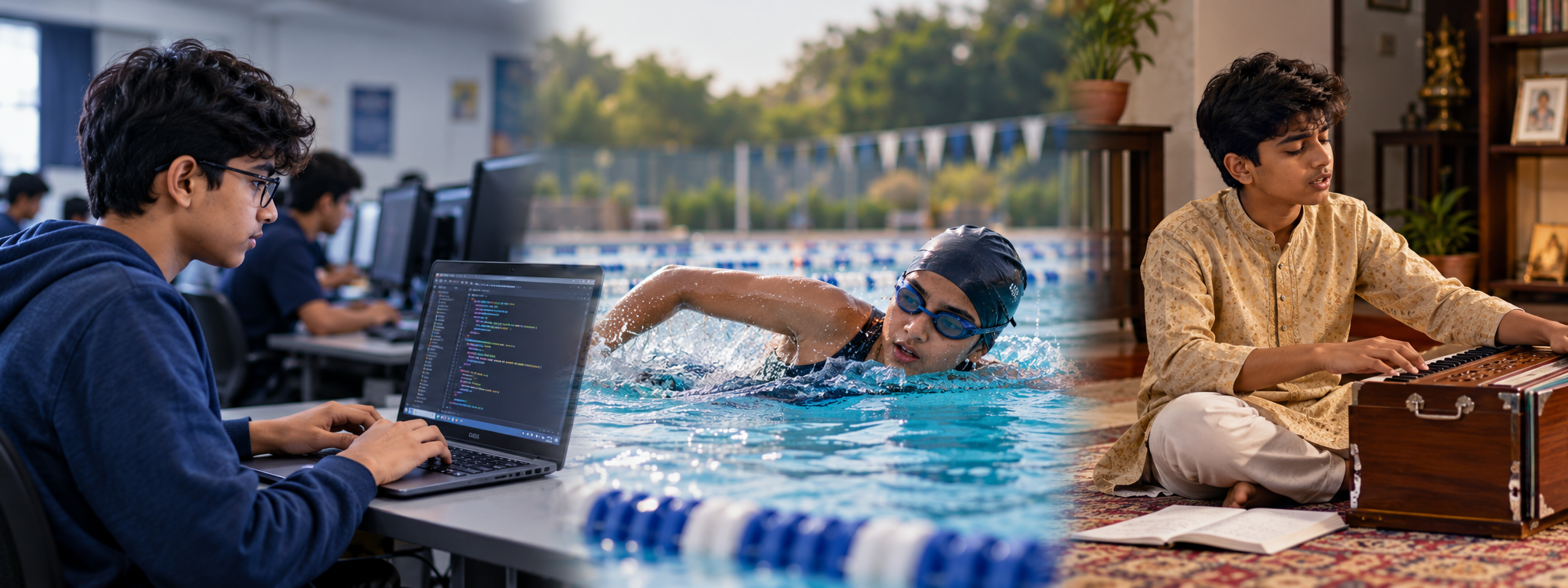
Parents and educators spend a lot of time thinking about how to set their children up for success. They worry about their grades, their friendships, and their future careers. In the midst of all this, it is easy to view after-school activities like sports, or art classes as just a way to keep kids busy. However, the reality is far more profound. The benefits of extracurricular activities for child development are foundational to raising well-rounded, capable, and happy individuals.
When we talk about why extracurricular activities are important for children, we are really talking about providing them with a safe space to discover who they are outside of a traditional classroom setting. Let's explore how these experiences shape our children's futures.
What Are Extracurricular Activities?
Extracurricular activities for children encompass any structured, organized pursuits that fall outside the realm of the standard academic curriculum. They may be clubs, teams, and groups that students join voluntarily to explore their interests, learn new skills, and socialize with peers in a supervised environment.
Difference Between Curricular and Extracurricular Activities
Curricular activities are the mandatory subjects that students must complete to progress through their education, such as mathematics, science, and literature. Extracurriculars are voluntary and focus on practical application, creativity, and physical exertion rather than standardized testing.
Common Types of Extracurricular Activities
Common types of development activities range from physical endeavours like soccer, swimming, and martial arts, to creative pursuits like painting, music, and theatre. They also include intellectually stimulating activities like robotics, debates, and coding. This variety ensures that there are student enrichment activities suited to every personality and interest.
Why Extracurricular Activities Matter for Children
It is natural to wonder if adding more to a child's plate is actually beneficial. However co-curricular activities in education bridge the gap between knowing and doing.
Holistic Development
Holistic development of children means nurturing their physical, emotional, social, and cognitive well-being simultaneously. Extracurricular programs provide the perfect environment for this multidimensional growth. A child learning to play the violin isn't just learning music; they are also learning patience and fine motor skills.
Encouraging Lifelong Learning
When children engage in the best extracurricular activities for students, they learn to associate learning with joy and personal interest rather than obligation. This leads to the perception that acquiring a new skill is a rewarding journey.
Building Positive Habits
Consistent participation in after-school activities builds a framework of positive habits. Children learn the value of constructive habits and discipline. These are foundational life skills that translate directly into their adult lives and future careers.
Key Benefits of Extracurricular Activities for Child Development
The impact of these programs on a child's growth is both immediate and long-lasting. Here is a closer look at how extracurricular activities help children's mental health, social lives, and academic journeys:
Improves Social and Communication Skills
One of the most significant benefits of after-school activities is the opportunity for social interaction. According to a study published in Developmental Psychology, participation in structured extracurricular activities is consistently linked to higher levels of prosocial behaviour and better peer relations.
Boosts Self-Confidence and Self-Esteem
Finding something they are genuinely good at, or simply seeing themselves improve at a difficult task, is one of the best activities to improve children's confidence. These small victories build a resilient sense of self-worth that protects them against the inevitable challenges of growing up.
Develops Leadership and Teamwork
Working alongside others toward a common goal is a masterclass in collaboration. Team sports and group projects teach children how to lead with empathy and follow with respect. They learn that every role on a team is crucial, which heavily influences personality development.
Enhances Creativity and Critical Thinking
Creative activities for kids, such as art, writing, or robotics, require out-of-the-box thinking. They teach children how to approach problems from multiple angles. Research from the National Endowment for the Arts highlights that students involved in the arts are more likely to demonstrate high levels of creative thinking and problem-solving skills.
Promotes Physical Health and Fitness
With ever-increasing screen time among children, the role of sports and arts in child development is heavily tied to physical health. Regular physical activity reduces the risk of childhood obesity, strengthens bones, and improves cardiovascular health and reduces stress.
Strengthens Emotional Intelligence and Resilience
Learning to lose gracefully is just as important as learning to win. Extracurriculars provide a safe space to fail. Missing a penalty kick or forgetting a line in a play teaches children the critical lesson of how to process disappointment, manage their emotions, and try again.
Improves Time Management and Discipline
Balancing schoolwork with extracurricular activities for holistic child development forces children to learn time management early on. They figure out how to prioritize tasks, avoid procrastination, and allocate their energy efficiently.
Supports Better Academic Performance
While it may sound paradoxical, spending time away from textbooks can actually improve grades. Data from the National Center for Education Statistics (NCES) indicates that students who participate in extracurricular activities generally have better attendance records, higher GPAs, and are more likely to pursue higher education. The discipline learned on the field often translates into discipline in the classroom.
Popular Extracurricular Activities for Children
Choosing the right activity can feel overwhelming, but understanding the options makes the process easier. Here are some of the most popular activities for student growth:
Sports and Athletics
From football and cricket to swimming and gymnastics, sports are classic child development activities. They teach teamwork, perseverance, and physical coordination, and provide an outlet for children to burn off stress.
Music and Dance
Learning an instrument or participating in dance classes enhances cognitive abilities and memory. These creative activities also allow for profound emotional expression and help children develop a deep appreciation for culture.
Art and Craft
Painting, sculpting, and drawing are excellent for developing fine motor skills and visual-spatial awareness. Art provides a quiet, introspective space for children who might feel overwhelmed by loud, highly competitive environments.
Coding and Robotics
In our digital age, STEM programs are increasingly vital. Technology teaches logic, sequential thinking, and complex problem-solving. They prepare children for a tech-driven future while keeping the learning process highly engaging.
Debate and Public Speaking
For children who love to argue or those who need to overcome shyness, debate and public speaking clubs are transformative. They are incredible tools for personality development for kids, teaching them how to articulate, research, and stand confident.
Drama and Theatre
Theatre requires children to step into someone else's shoes, which is one of the most effective ways to build empathy. It also builds immense confidence, improves memory, and teaches children how to project their voices and command a room.
Community Service and Volunteering
Volunteering teaches children gratitude, empathy, civic responsibility, and the importance of giving back. It broadens their worldview and helps them understand societal issues outside their immediate bubble.
How to Choose the Right Extracurricular Activities
With so many options, how do you find the right fit? The goal is to enrich your child's life, not complicate it.
Consider Your Child's Interests
The most important factor is what your child actually wants to do. Pay attention to their natural inclinations. If they are constantly drawing on the walls, an art class makes sense. If they are always dismantling their toys to see how they work, look into a robotics club.
Match Activities to Age and Development Stage
Ensure the activity is age-appropriate. A five-year-old might not have the attention span for a two-hour chess tutorial but would thrive in a 30-minute introductory gymnastics class. Match the complexity of the activity to their current developmental stage to prevent frustration.
Balance Academics and Activities
While the benefits of extracurricular activities for child development are vast, schoolwork must remain a priority. Help your child find a balance that allows them to maintain their grades without feeling chronically stressed.
Encourage Exploration Without Pressure
Allow your child to try different things. It is perfectly fine if they want to play soccer one semester and try pottery the next. Childhood is a time for exploration. Do not lock them into a single track too early.
Common Mistakes Parents Should Avoid
Even with the best intentions, it is easy to make missteps when guiding our children's out-of-school time.
Overscheduling Children
One of the biggest modern parenting traps is overscheduling. A clinical report by the American Academy of Pediatrics (AAP) warns against the "overscheduled child," noting that a lack of free, unstructured play can lead to increased anxiety and depression in children. Downtime is not wasted time; it is crucial for mental recovery.
Focusing Only on Competition
While competition can be healthy, focusing entirely on winning strips the joy away from the activity. Ensure that the primary goal remains learning, having fun, and personal growth, rather than just taking home a trophy.
Ignoring the Child's Interests
Forcing a child into an activity because it looks good on a future college application or because it was a parent's unfulfilled childhood dream usually backfires, leading to resentment and burnout.
Expecting Immediate Results
Skill development takes time. Do not expect your child to become a prodigy after three weeks of piano lessons. Be patient and allow them the grace to be beginners.
Tips for Parents to Support Their Child
Your involvement plays a massive role in how much your child gets out of their chosen activities.
Celebrate Effort Over Achievement
Praise the hard work, the extra practice, and the positive attitude rather than just the final score or the perfect performance. This builds a growth mindset, teaching them that their value is not tied solely to their output.
Maintain a Healthy Routine
Ensure that your child's schedule still allows for adequate sleep, family dinners, and time to just stare at the ceiling. A well-rested child will perform better in both their academic and extracurricular pursuits.
Communicate with Coaches and Mentors
Build a relationship with the adults leading these activities. They can provide valuable insights into your child's behaviour, strengths, and areas for improvement outside the home environment.
Conclusion
The benefits of extracurricular activities for child development are woven into the very fabric of how children grow into capable adults. From building the resilience needed to bounce back from a failure, to developing the teamwork required to succeed in a future career, these activities offer life lessons that textbooks simply cannot provide. By thoughtfully choosing the right programs and supporting our children without overwhelming them, we give them the tools they need to discover their passions, build their confidence, and thrive in every aspect of their lives.
Frequently Asked Questions:
Q1. What are the benefits of extracurricular activities for child development?
A: Extracurricular activities help children develop social skills, confidence, creativity, leadership, emotional resilience, and physical fitness. They also improve time management, discipline, and problem-solving abilities, supporting holistic development.
Q2. Why are extracurricular activities important for children?
A: Extracurricular activities allow children to explore their interests, discover new talents, and learn beyond the traditional classroom. They encourage lifelong learning, build positive habits, and prepare children to handle real-world challenges.
Q3. How do extracurricular activities improve academic performance?
A: Extracurricular activities help children develop discipline, concentration, time management, and problem-solving skills that can translate into better academic performance. Participation is also associated with better school attendance, higher GPAs, and a greater likelihood of pursuing higher education.
Q4. Which extracurricular activities are best for children?
A: The best extracurricular activities depend on a child's interests, personality, and developmental stage. Options include sports, music, dance, art, coding, robotics, debate, drama, and community service, each offering different developmental benefits.
Q5. At what age should children start extracurricular activities?
A: Children can begin exploring extracurricular activities in early childhood through short, age-appropriate sessions that encourage play, creativity, and movement. Parents should match the activity's complexity and duration to their child's attention span, interests, and developmental stage.
Q6. How many extracurricular activities should a child participate in?
A: There is no fixed number of extracurricular activities suitable for every child, as their needs and capacity vary. Parents should prioritise a manageable schedule that balances activities with academics, adequate sleep, free play, and family time.
Q7. Can extracurricular activities improve a child's confidence?
A: Yes, extracurricular activities help children build confidence by allowing them to develop skills, overcome challenges, and experience small achievements. Performing on stage, mastering a sport, or completing a creative project can strengthen self-esteem and resilience.
Q8. Do sports help with child development?
A: Yes, sports improve physical fitness, coordination, and overall health while teaching teamwork, perseverance, and discipline. They also help children manage stress, develop resilience, and learn to handle both success and failure.
Q9. How do extracurricular activities build leadership skills?
A: Group activities and team sports teach children how to collaborate, communicate, make decisions, and work towards shared goals. They also help children learn to lead with empathy, respect others, and take responsibility for their roles.
Q10. What is the difference between co-curricular and extracurricular activities?
A: Co-curricular activities complement classroom learning and help students apply academic concepts through practical experiences. Extracurricular activities are generally voluntary pursuits outside the standard academic curriculum, focusing on personal interests, creativity, physical development, and social skills.
Q11. How can parents choose the right activity for their child?
A: Parents should consider their child's interests, natural abilities, age, and developmental stage when selecting an extracurricular activity. They should encourage exploration without pressure and ensure the schedule remains balanced with schoolwork, rest, and unstructured play.
Q12. Can extracurricular activities reduce stress in children?
A: Yes, activities such as sports, music, dance, and art can provide a healthy outlet for emotions and help children manage stress. However, overscheduling can increase anxiety, so parents should ensure children have sufficient downtime and opportunities for free play.
Q13. Are extracurricular activities important for college admissions?
A: Extracurricular activities can strengthen a student's college application by demonstrating commitment, leadership, teamwork, creativity, and personal interests. However, participation should focus on genuine learning and personal growth rather than simply building a college application.
Q14. How do arts and music contribute to child development?
A: Arts and music nurture creativity, emotional expression, memory, and cognitive development while helping children improve fine motor skills and visual-spatial awareness. They also encourage patience, concentration, and an appreciation for different forms of artistic and cultural expression.
Q15. What are the long-term benefits of extracurricular activities?
A: Extracurricular activities help children develop lasting life skills, including discipline, resilience, communication, leadership, and time management. They also encourage lifelong learning, strengthen interpersonal relationships, and prepare children to navigate future academic, professional, and personal challenges.